Hidden Water Leaks: 9 Warning Signs and How to Find Them
A hidden water leak can quietly damage your home and raise your bill. Learn 9 warning signs, a simple water meter test, how to check toilets, and when to call a plumber.
On this page
A hidden water leak can quietly damage walls, floors, and ceilings for months before you see it. The most common warning signs are a higher water bill, the sound of running water when everything is off, a musty smell, water stains, and a water meter that keeps moving. The easiest way to know for sure is a simple meter test, which takes about 2 hours and costs nothing.
The EPA says household leaks can waste nearly 10,000 gallons of water a year in the average home. Finding a leak early saves money and prevents mold and rot.
9 warning signs of a hidden water leak
1. Your water bill went up
If your bill jumped but your family is not using more water, a leak is a likely cause. Compare this month's bill to the same month last year.
2. You hear water running
Listen when all faucets and appliances are off. A hiss, drip, or trickle sound inside walls or under floors can mean a leaking pipe.
3. The water meter moves when no water is on
This is the clearest sign. See the meter test below.
4. A musty or damp smell
Water trapped behind walls or under floors often causes a musty, earthy smell before you see anything. Our guide on finding the cause of a musty smell covers other places to check.
5. Stains on walls or ceilings
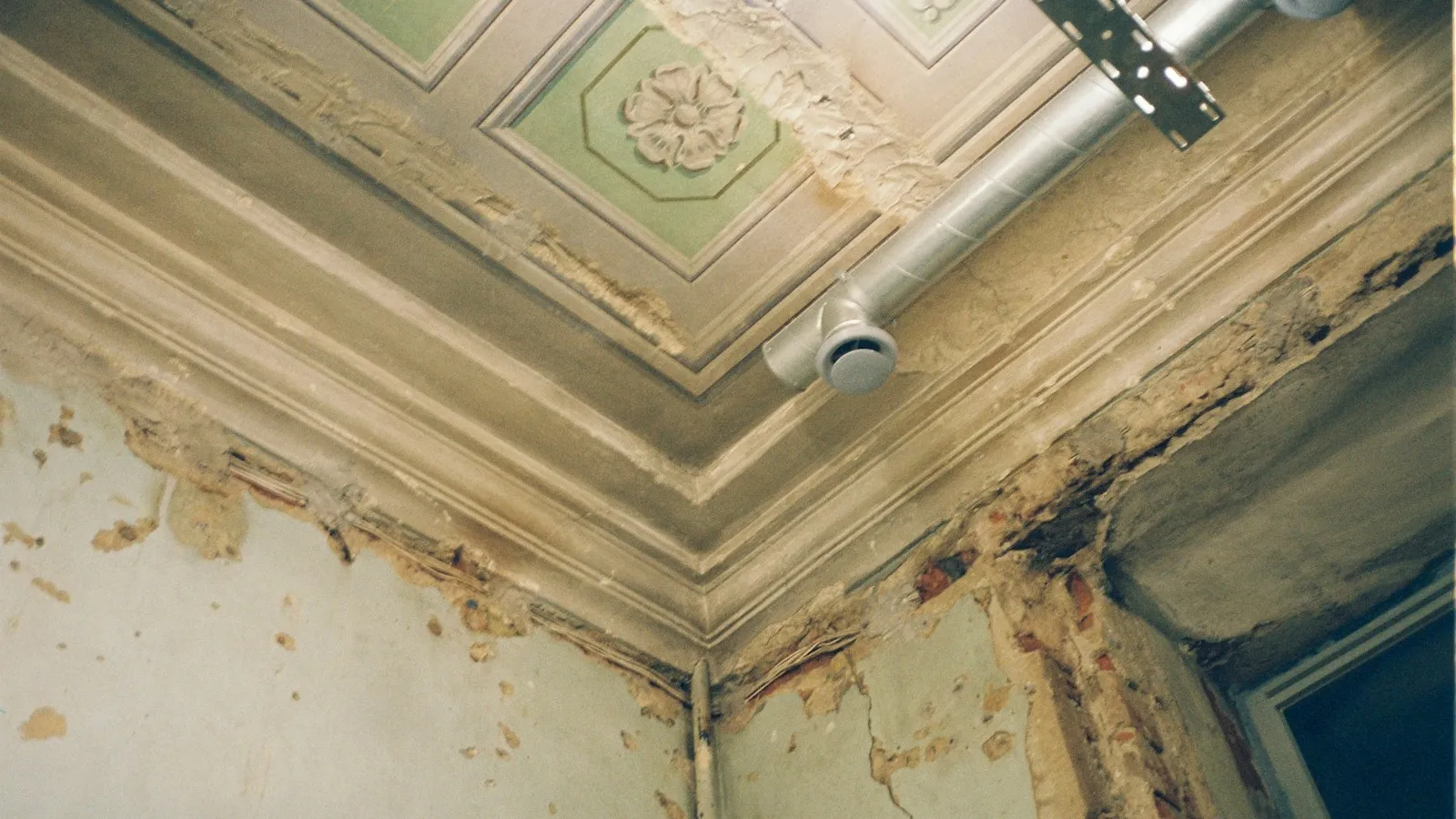
Yellow or brown rings on the ceiling, or dark spots on walls, often mean water is leaking from above or inside the wall.
6. Bubbling, peeling, or soft paint
Water behind paint or wallpaper can make it bubble, peel, or feel soft when you press it.
7. Warped or stained floors
Wood floors that cup or buckle, loose tiles, or carpet that feels damp can point to a leak underneath.
8. Mold or mildew
Mold on walls, ceilings, or under sinks where you do not expect moisture is a strong sign of a leak nearby.
9. Cracks or damp spots on the foundation
Water leaking under a slab or near the foundation can cause damp spots, cracks, or even warm spots on the floor if a hot water line is leaking. If you see new cracks, our guide on which wall cracks are serious can help you judge them.
How to test for leaks with your water meter
- Turn off all water. Make sure no faucets, toilets, washing machine, dishwasher, sprinklers, or ice maker are running.
- Find your water meter. It is often in a box near the street, in the basement, or by the garage.
- Look at the meter. Many meters have a small triangle or dial called a leak indicator. If it is spinning, water is flowing.
- Write down the numbers on the meter.
- Wait 1 to 2 hours without using any water.
- Check again. If the numbers changed, you have a leak somewhere.
To narrow it down, turn off the main shutoff valve to the house and check the meter again. If it still moves, the leak may be in the pipe between the meter and your house. If it stops, the leak is inside your home.
Check your toilets first
Toilets are one of the most common hidden leaks, and they are easy to test.
- Put a few drops of food coloring in the toilet tank (not the bowl).
- Do not flush for about 10 to 15 minutes.
- If color shows up in the bowl, the tank is leaking.
The fix is often a new flapper, which costs a few dollars. Our guide on fixing a toilet that keeps running walks through it step by step.
Other places to check
- Under sinks: Look for drips, water stains, or warped cabinet bottoms.
- Behind the washing machine: Check the hoses for cracks and bulges.
- Around the water heater: Look for rust, puddles, or drips from valves.
- Outdoor faucets and hoses: Look for drips and soggy ground.
- Irrigation systems: Look for wet spots or very green patches of grass.
- Around tubs and showers: Cracked grout or caulk can let water behind the wall.
- Ceilings under bathrooms: Stains here often come from the tub or toilet above.
What to do if you find a leak
- Turn off the water to the fixture or the whole house. Know where your main shutoff valve is before you need it.
- Dry the area with towels and fans. The EPA says drying wet materials within 24 to 48 hours usually prevents mold.
- Take photos for your records and insurance.
- Fix small leaks like dripping faucets, loose connections, and toilet flappers yourself.
- Call a plumber for leaks inside walls, under slabs, or in the main line.
When to call a plumber
Call a licensed plumber if:
- The meter test shows a leak but you cannot find it
- You see water stains spreading on ceilings or walls
- You suspect a slab or underground leak
- The leak is near electrical outlets or wiring
- You find mold over a large area
Many plumbers use special tools, like acoustic listening devices and thermal cameras, to find leaks without tearing open walls.
Buying a home?
A good home inspection can spot hidden leaks before you buy. See typical prices with our home inspection cost calculator.
Signs of a slab leak
Homes built on a concrete slab can have a leak in the pipes under the floor. These are harder to find and cost more to fix. Watch for:
- Warm spots on the floor, often from a hot water line
- Damp carpet or warped flooring with no spill nearby
- Sound of running water when everything is off
- Low water pressure that came on suddenly
- A high water bill with no change in how you use water
- New cracks in floors or walls
If you notice several of these, call a plumber who does leak detection. Do not wait, since water under a slab can damage the foundation over time.
How much does leak detection cost?
Prices depend on where the leak is and what tools are needed. Here are rough U.S. ranges:
| Type of leak | Rough cost to find it |
|---|---|
| Easy to reach pipe or fixture | About $75 to $150 |
| Most home leak detection visits | About $175 to $500 |
| Behind walls or under a slab (special tools) | About $300 to $800 |
| Underground yard line or pool | About $400 to $1,000 or more |
This is only the cost to find the leak. The repair is extra. A slab leak repair often costs a few thousand dollars, so it pays to catch it early.
How much water leaks really waste
The EPA says household leaks can waste nearly 10,000 gallons of water a year in an average home. About 10 percent of homes have leaks that waste 90 gallons or more a day. Common causes are worn toilet flappers, dripping faucets, and leaky valves. Most of these are cheap, easy fixes.
Stop leaks before they start
- Replace washing machine hoses every 5 years, or use braided steel hoses.
- Put water leak sensors under sinks, behind the washer, and near the water heater. They cost little and beep or send a phone alert when they get wet.
- Know where your main shutoff valve is, and make sure it turns.
- Check caulk and grout around tubs and showers once a year.
- Keep pipes from freezing in winter by insulating pipes in cold areas.
Smart water shutoff valves
A smart water shutoff valve goes on your main water line. It watches how water flows and can shut off the water automatically if it senses a leak, even when you are away.
- Cost: Many well-known models cost about $500 and up, plus a plumber to install.
- Insurance savings: Some insurers give a discount for these devices. Moen says its partners may offer about 3 to 10 percent off your premium for homes with its Flo shutoff valve.
- Phone alerts: Most send a message to your phone when they find a leak or high water use.
If $500 is too much, cheap battery leak sensors under sinks and near the water heater still give early warning.
Will insurance pay for a hidden leak?
It depends on how the leak happened:
- Sudden leaks, like a pipe that bursts inside a wall, are often covered.
- Slow leaks that went on for weeks or months are often not covered, because insurers see them as a maintenance problem.
- Some insurers sell an add-on for hidden water damage. Ask your agent if your policy has it.
This is one more reason to check your water meter and look for warning signs a few times a year.
The bottom line
Hidden water leaks show up as higher bills, running water sounds, musty smells, stains, and a water meter that moves when everything is off. Start with the free meter test and the food coloring test in your toilets. Fix small leaks right away, dry any wet areas within 24 to 48 hours, and call a plumber for leaks you cannot find or reach.
Sources
This guide was checked against these official and manufacturer sources.
Frequently asked questions
How do I know if I have a hidden water leak?
Common signs are a higher water bill with no change in use, the sound of running water when everything is off, a musty smell, water stains, bubbling paint, warped floors, and a water meter that moves when no water is on.
How do I check for a water leak with my meter?
Turn off every faucet and water appliance in the house. Write down the numbers on your water meter or watch the small leak indicator. Wait 1 to 2 hours without using any water, then check again. If the numbers changed or the indicator moved, you likely have a leak.
What is the most common hidden leak in a home?
Leaky toilets are one of the most common. A worn flapper can let water slip into the bowl all day without you noticing. A few drops of food coloring in the tank can show if it is leaking.
How much water can a leak waste?
The EPA says household leaks can waste nearly 10,000 gallons of water a year in the average home. Even small drips add up on your water bill.
Does homeowners insurance cover hidden leaks?
It depends on your policy. Many policies cover sudden water damage but not damage from slow leaks that went on for a long time. Check your policy and fix leaks quickly to avoid bigger damage.

Written by
Agha Ali Abbas
Agha Ali Abbas is the founder and editor of TimeToNote. He has worked in SEO and content writing for 18 years, and he checks every guide against manufacturer documentation and official sources before it goes live.
Related guides

Home Problems
Why Is My Toilet Running? 6 Causes and How to Fix It Yourself
A running toilet can waste up to 200 gallons of water a day. Find the cause in minutes and fix it yourself, usually with a cheap flapper or a quick adjustment.
9 min read
Home Problems
Cracks in Walls: When to Worry (and When It's Normal)
Found a crack in your wall? Learn which cracks are normal, which ones point to foundation problems, how to measure and track them, and when to call a pro.
7 min read
Home Problems
Why Does My Room Smell Musty? Causes and How to Get Rid of the Smell
A musty smell almost always means damp air and mold or mildew nearby. Learn how to find the source, remove the smell, and stop it from coming back.
8 min read