How to Paint a Room Like a Pro (Step by Step for Beginners)
Paint a room like a pro, even as a beginner. Learn what supplies you need, how much paint to buy, how to prep walls, cut in, roll without streaks, and clean up.
On this page
To paint a room like a pro, prep the walls first, cut in the edges with a brush, then roll the walls in small sections while the paint is still wet. Most rooms need two coats. Good prep and a steady routine matter more than expensive tools, and even a first-timer can get a clean, even finish in a weekend.
This guide walks you through each step, from buying the right amount of paint to cleaning your brushes.
Older home? Homes built before 1978 may have lead paint. The EPA advises testing before you sand or scrape old paint, because the dust can be harmful, especially for kids and pregnant women.
Supplies you need
- Paint and primer (if needed)
- An angled 2 to 2.5 inch brush for cutting in
- A 9-inch roller frame and roller covers
- A paint tray and liners
- An extension pole for the roller
- Painter's tape
- Drop cloths or old sheets
- Spackle and a putty knife
- Fine sandpaper or a sanding sponge
- A damp cloth or sponge
- A step stool or small ladder
Roller nap tip: Use a 3/8 inch nap for smooth or lightly textured walls, and a 1/2 inch nap for textured walls.
How much paint to buy
One gallon usually covers about 350 to 400 square feet with one coat, based on typical interior paints from brands like Sherwin-Williams.
- Add up the width of all walls.
- Multiply by the ceiling height to get the wall area.
- Subtract about 20 square feet for each door and 15 for each window.
- Divide by 350, then multiply by the number of coats.
| Room size (8 ft ceiling) | Wall area | Paint for 2 coats |
|---|---|---|
| 10 × 10 ft | About 320 sq ft | About 2 gallons |
| 12 × 12 ft | About 384 sq ft | About 2 to 2.5 gallons |
| 12 × 16 ft | About 448 sq ft | About 2.5 to 3 gallons |
| 15 × 20 ft | About 560 sq ft | About 3 to 3.5 gallons |
Buy a little extra for touch-ups later, and write the color name and code on the lid.
Picking the right finish
| Finish | Look | Best for |
|---|---|---|
| Flat or matte | No shine, hides flaws | Ceilings, low-traffic rooms |
| Eggshell | Soft glow, easy to wipe | Living rooms, bedrooms |
| Satin | Light shine, washable | Kids' rooms, hallways |
| Semi-gloss | Shiny, very washable | Trim, doors, bathrooms, kitchens |
Step 1: Prep the room
- Move furniture to the middle of the room and cover it.
- Lay drop cloths along the walls.
- Remove outlet covers, switch plates, and wall hooks. Keep screws in a bag.
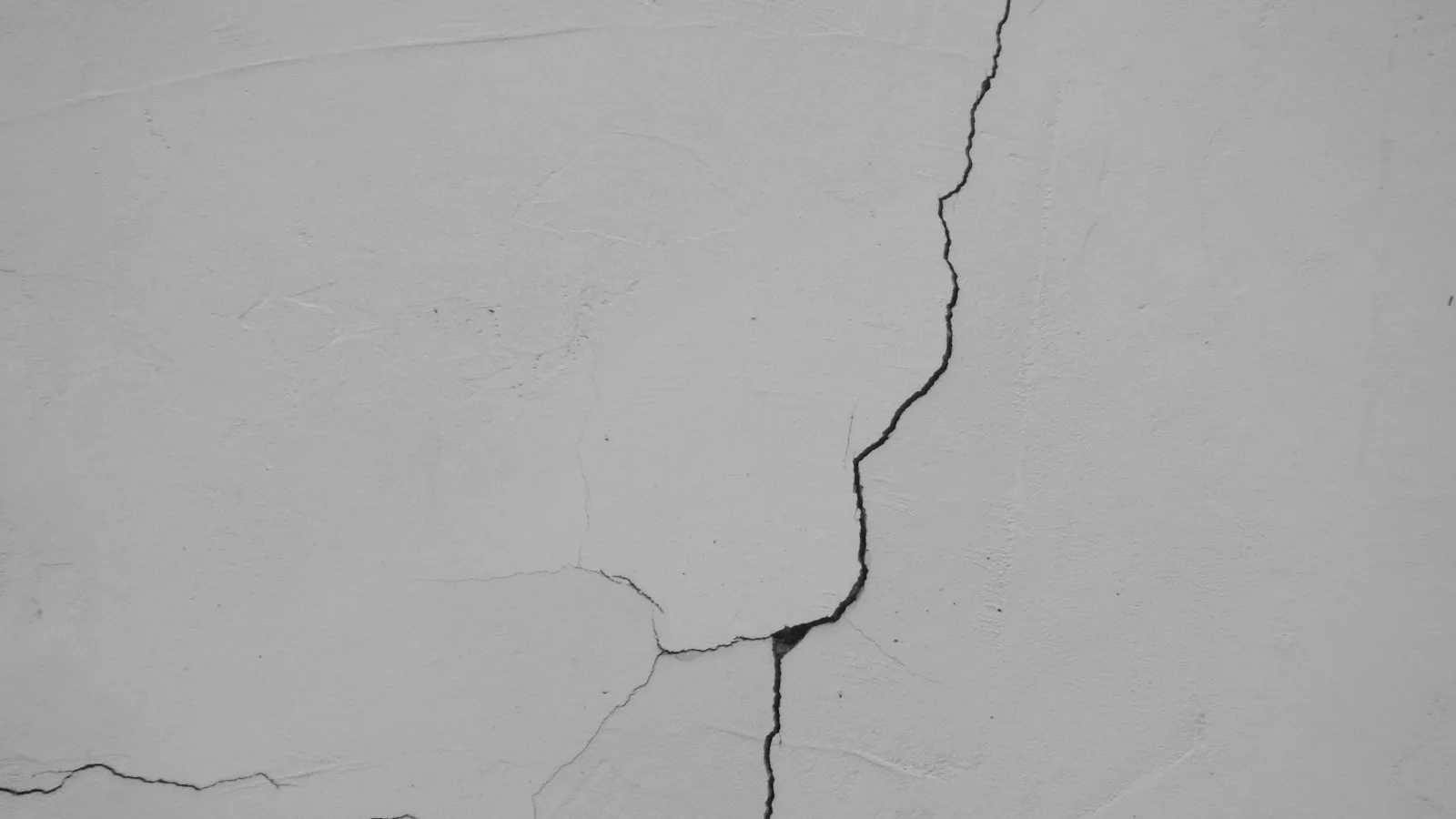
- Fill holes and cracks with spackle. Let it dry, then sand smooth. Small, straight cracks are common. If you see wide or growing cracks, read our guide on when to worry about wall cracks before you paint over them.
- Clean the walls. Wipe off dust and grease with a damp cloth. Paint sticks much better to clean walls. Our guide on a simple house cleaning routine has tips for dusty rooms.
- Tape the trim if you do not have a steady hand. Press the edge down firmly so paint does not bleed under.
Step 2: Prime if needed
Use primer on new drywall, patched spots, water stains, glossy paint, or when going from a dark color to a light one. Let it dry fully before painting.
If you see mold or mildew, clean it first and fix the moisture problem. Painting over it will not stop it from coming back. Our guide on stopping condensation on windows explains common moisture causes.
Step 3: Cut in the edges
"Cutting in" means painting a neat strip along the ceiling, corners, and trim with a brush.
- Dip the brush about one-third of the way into the paint and tap off the extra.
- Paint a 2 to 3 inch strip along the edges, using the angled tip for a clean line.
- Work on one wall at a time so the edges are still wet when you roll.
Step 4: Roll the walls
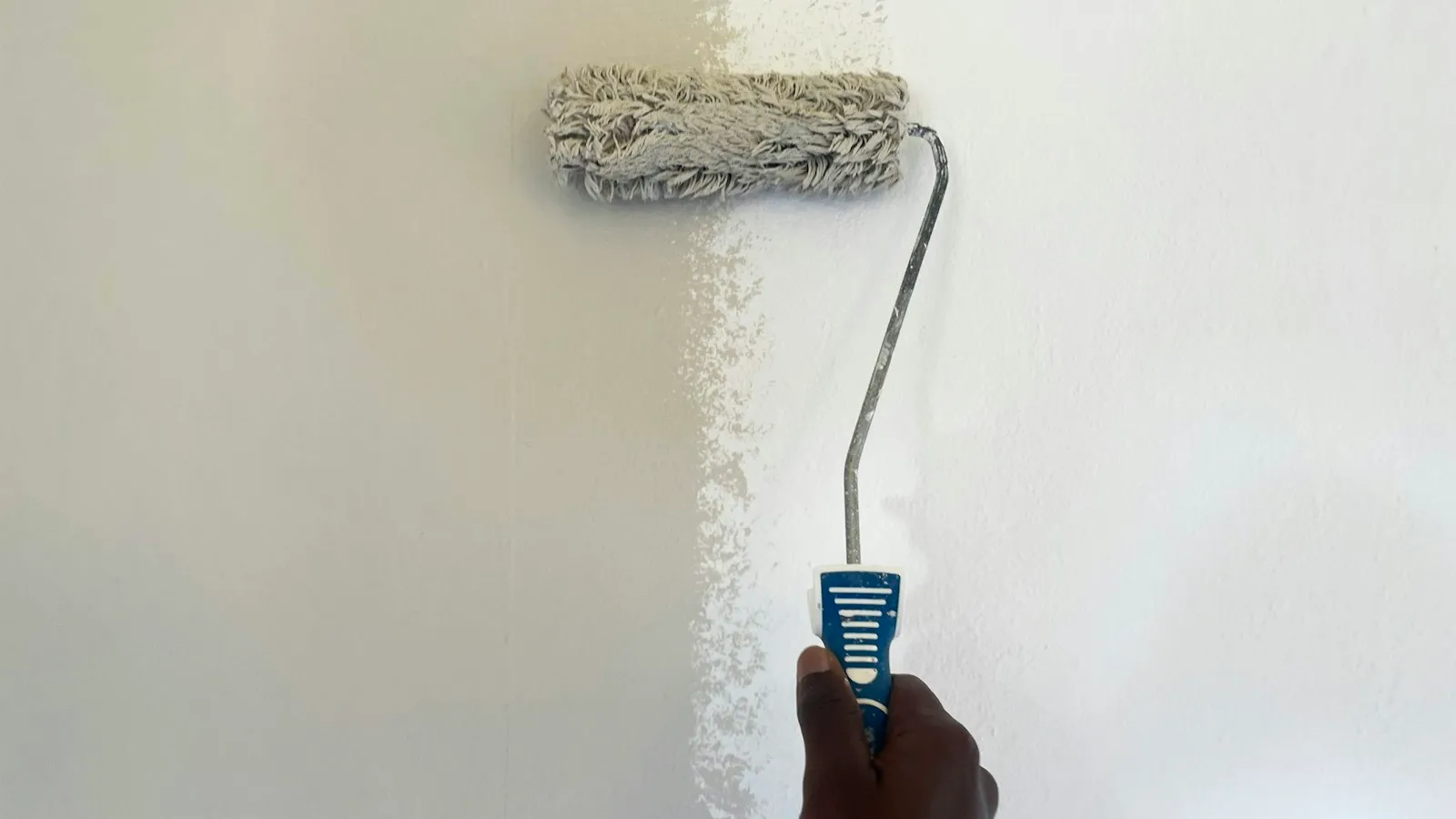
- Pour paint into the tray and roll the roller back and forth until it is evenly coated, not dripping.
- Start about a foot from a corner and roll a large W or M shape, about 3 feet wide.
- Fill in the shape with straight, up-and-down strokes without lifting the roller.
- Move to the next section, overlapping the wet edge slightly.
- Finish each wall with light top-to-bottom strokes for an even look.
Keep a wet edge. Always roll back into paint that is still wet. This is the secret to avoiding lap marks and streaks.
Step 5: Add the second coat
Wait for the first coat to dry, usually 2 to 4 hours for latex paint. Then repeat the cutting in and rolling. The second coat gives even color and a stronger finish.
Step 6: Clean up
- Remove tape while the last coat is still slightly wet, pulling at an angle, for the cleanest line.
- Wash brushes and rollers in warm, soapy water for latex paint.
- Store leftover paint with the lid tapped on tight, upside down, somewhere that does not freeze.
- Put back outlet covers once the paint is dry.
- Keep the room ventilated with windows open or a fan running.
Common mistakes to avoid
- Skipping prep. Most bad paint jobs come from dirty walls and unfilled holes.
- Too much paint on the roller. It causes drips and runs.
- Painting in poor light. Missed spots show up later.
- Stopping mid-wall. It leaves visible lines where the paint dried.
- Rushing the second coat. Wet paint can peel or look blotchy.
What order should you paint a room?
Pros work from the top down so drips do not land on finished work:
- Ceiling first. Drips and splatters will fall on walls you have not painted yet.
- Walls next. Cut in, then roll.
- Trim, doors, and baseboards last. It is easier to cut a neat line on trim than on a wall.
How long does it take to paint a room?
For one person doing a typical 12 by 12 foot bedroom with two coats, plan on most of a day:
| Task | Rough time |
|---|---|
| Move furniture, clean, patch, and tape | 1 to 2 hours |
| Cut in and roll the first coat | 2 to 3 hours |
| Drying time between coats | 2 to 4 hours |
| Second coat | 1.5 to 2 hours |
| Clean up | 30 minutes |
A small room or touch-up job goes faster. Ceilings, dark color changes, and lots of trim add time.
Best temperature and humidity for painting
Paint dries best in mild, dry air. Check the label on your can, since some paints need it warmer. In general:
- Keep the room at 50°F or warmer while you paint and while the paint dries. Avoid very hot rooms too, since paint that dries too fast can show lap marks.
- Lower humidity is better. High humidity makes paint dry slower and can leave streaks.
- Open a window or run a fan for fresh air, but do not point the fan right at wet paint.
When can you hang pictures again?
Paint is dry to the touch in a few hours, but it takes much longer to fully cure and get hard.
- Latex paint: wait at least 24 hours before hanging pictures on nails.
- Oil-based paint: wait at least 48 hours.
- Sticky hooks and strips: wait longer. Many adhesive hook makers say to wait about 7 days after painting, or the strips may peel the paint.
- Pushing furniture against walls: wait a few days, or the paint may stick and peel.
Should you paint it yourself or hire a pro?
| DIY | Hire a painter | |
|---|---|---|
| Typical cost for one room | Often about $150 to $300 for paint and supplies | Often about $1,000 to $3,000 for walls, trim, and ceiling |
| Time | A full day or a weekend | Usually one day |
| Best for | Simple rooms, same color family | High ceilings, dark color changes, lots of trim, or rooms with damaged walls |
Labor is most of what you pay a painter for. If you have the time, doing it yourself saves the most money.
How long does leftover paint last?
- Unopened latex paint can last up to about 10 years if it never freezes.
- Opened paint lasts much longer when the lid is tight. Cover the opening with plastic wrap, tap the lid down, and store it upside down.
- Paint has gone bad if it smells sour or rotten, or stays lumpy after stirring.
Painting while pregnant
Many doctors suggest letting someone else paint during pregnancy, especially in the first trimester. If you do paint, use water-based, low-VOC or zero-VOC paint, keep windows open and a fan running, take breaks, and stay away from oil-based paint, paint strippers, and sanding old paint that might contain lead.
The bottom line
Painting a room like a pro comes down to good prep and a steady routine. Clean and patch the walls, prime where needed, cut in the edges, and roll in small sections while keeping a wet edge. Plan on two coats and about one gallon for every 350 to 400 square feet per coat. Take your time, and you will get a smooth, even finish you can be proud of.
Sources
This guide was checked against these official and manufacturer sources.
Frequently asked questions
How much paint do I need for a room?
One gallon of interior paint usually covers about 350 to 400 square feet with one coat. Most rooms need two coats. A typical 12 by 12 foot bedroom with 8-foot ceilings has about 384 square feet of wall space, so plan on about 2 gallons for two coats.
Do I need to use primer?
Use primer on new drywall, patched spots, stains, glossy surfaces, or when making a big color change, like dark to light. For a similar color over clean, painted walls, a good paint and primer in one is often enough.
Should I cut in or roll first?
Most pros cut in first with a brush along the ceiling, corners, and trim, then roll the walls while the edges are still wet. This helps the brushed and rolled areas blend together.
How long should I wait between coats?
Most latex paints can take a second coat in about 2 to 4 hours, but check the can. Humid or cool rooms need more time.
How do I avoid roller marks?
Keep a wet edge, load the roller evenly, roll in a W pattern, then fill it in with light, straight strokes from top to bottom. Do not press too hard, and finish one full wall before taking a break.

Written by
Agha Ali Abbas
Agha Ali Abbas is the founder and editor of TimeToNote. He has worked in SEO and content writing for 18 years, and he checks every guide against manufacturer documentation and official sources before it goes live.
Related guides
Home Problems
Cracks in Walls: When to Worry (and When It's Normal)
Found a crack in your wall? Learn which cracks are normal, which ones point to foundation problems, how to measure and track them, and when to call a pro.
7 min read
Home Problems
Why Is There Condensation on My Windows? Causes and How to Stop It
Water on the inside of your windows every morning? Learn why windows sweat, what condensation between the panes means, and simple ways to stop it and prevent mold.
7 min read
Home Problems
How to Clean a Dusty House: An Easy Step-by-Step Method
Clean a dusty house the right way: top to bottom, dry to wet, with tools that trap dust. Includes a room-by-room checklist and a simple weekly routine.
8 min read