When Do Clocks Change? Daylight Saving Time 2026 Dates
Clocks fall back on Sunday, November 1, 2026, at 2 a.m. See the exact daylight saving time dates for 2026 and 2027, which states skip it, and how to prepare.
On this page
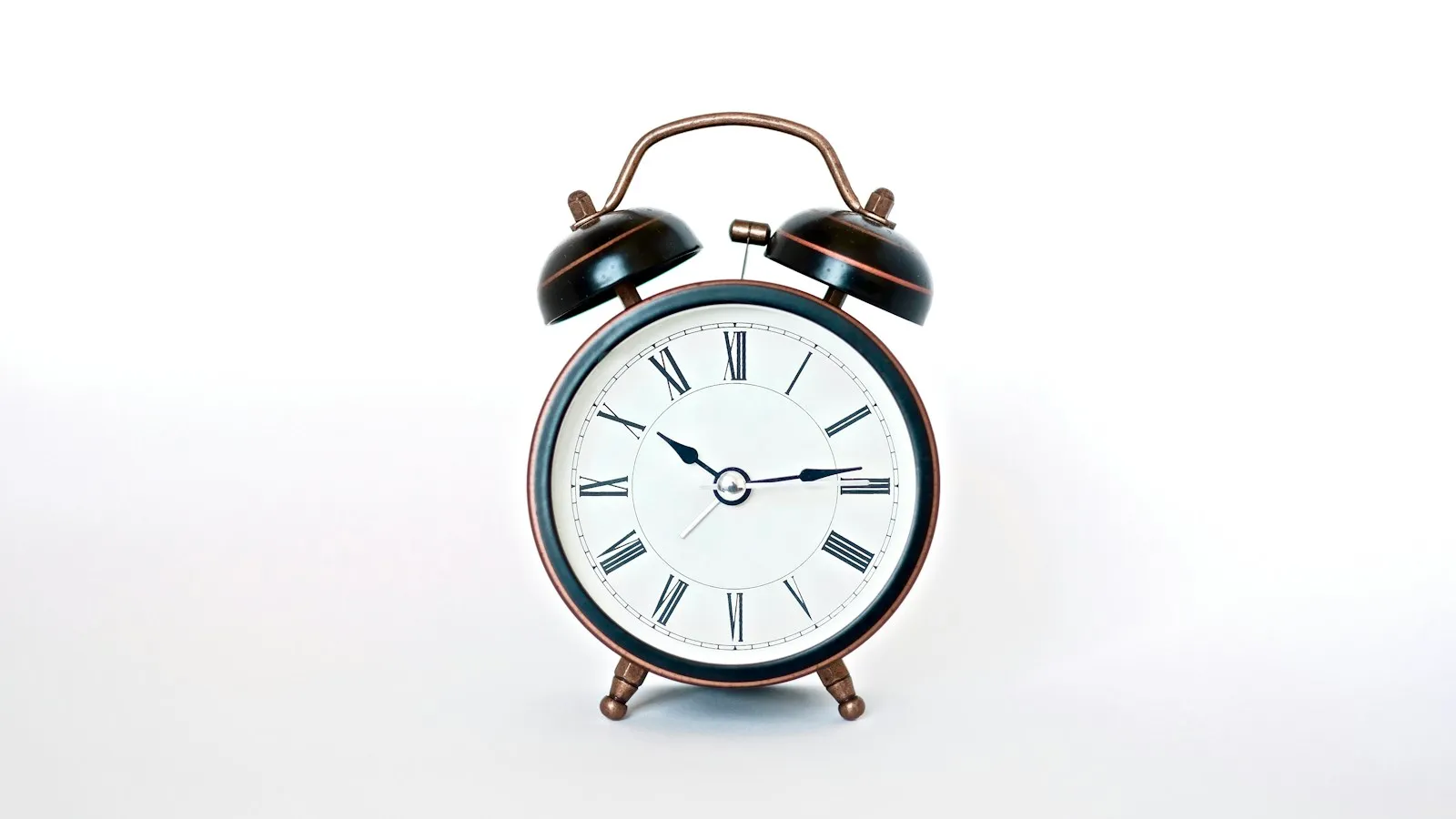
In the United States, the clocks go back one hour on Sunday, November 1, 2026, at 2:00 a.m. local time. That is when daylight saving time ends, so 2:00 a.m. becomes 1:00 a.m. and you get an extra hour of sleep. Clocks go forward again on Sunday, March 14, 2027.
The easy way to remember it: "Spring forward, fall back."
Daylight saving time dates
| Year | Clocks go forward (DST starts) | Clocks go back (DST ends) |
|---|---|---|
| 2026 | Sunday, March 8 | Sunday, November 1 |
| 2027 | Sunday, March 14 | Sunday, November 7 |
| 2028 | Sunday, March 12 | Sunday, November 5 |
All changes happen at 2:00 a.m. local time.
The rule behind the dates
According to NIST, daylight saving time in the U.S. starts on the second Sunday in March and ends on the first Sunday in November. This rule has been in place since 2007. Daylight saving time now lasts about 238 days, or roughly 65 percent of the year.
What happens when clocks fall back
- At 2:00 a.m. on November 1, clocks go back to 1:00 a.m.
- The hour from 1:00 to 2:00 a.m. happens twice that night.
- Mornings get lighter sooner, but it gets dark earlier in the evening, often before 5:00 p.m. in many places.
Which devices change on their own
| Device | Changes on its own? |
|---|---|
| Smartphones and tablets | Yes, with automatic time on |
| Computers | Yes, with automatic time on |
| Smart TVs, smart speakers | Usually yes |
| Cable boxes and many thermostats | Usually yes |
| Microwave and oven clocks | No |
| Car clocks | Often no, check your car |
| Wall clocks and watches | No |
If your phone did not change, go to Settings and turn on automatic date and time.
Places that do not change their clocks
Not everyone in the U.S. changes their clocks:
- Hawaii stays on standard time all year.
- Most of Arizona does not change. The Navajo Nation in Arizona does.
- U.S. territories like Puerto Rico, Guam, the U.S. Virgin Islands, American Samoa, and the Northern Mariana Islands stay on standard time.
What about other countries?
Many countries do not use daylight saving time at all. Others use different dates:
- The UK and European Union change clocks on the last Sunday in October, which is October 25, 2026. They move forward again on the last Sunday in March.
- Canada mostly follows the same dates as the U.S.
- Mexico ended daylight saving time for most of the country in 2022.
If you have family or meetings in other countries, the time difference may change by an hour for a week or two between their change and ours.
A good time for a home safety check
Fire safety groups have long suggested using the time change as a reminder to check your smoke alarms. When you set your clocks back:
- Test your smoke and carbon monoxide alarms.
- Change batteries in alarms that have replaceable batteries.
- Check the date on the back of each alarm. Replace any that are 10 years old.
If an alarm starts chirping, our guide on why a smoke detector chirps and how to stop it will help.
It is also a good time to change your furnace filter before the cold season. If your heat is not working right, see our furnace troubleshooting guide.
Tips to adjust to the time change
Falling back is easier than springing forward, but it can still throw off your sleep.
- Shift bedtime slowly. Go to bed 15 minutes later for a few nights before the change.
- Get morning sunlight. Light in the morning helps reset your body clock.
- Keep meals on schedule. Eat at your usual times by the clock.
- Help kids and pets adjust. Move their routines a little at a time.
- Drive carefully. Evening commutes will be darker, so watch for people walking.
Is daylight saving time going away?
Many people want to stop changing clocks, and 2026 brought the biggest step so far.
- The House voted yes. On July 14, 2026, the U.S. House passed the Sunshine Protection Act by a vote of 308 to 117. It would make daylight saving time permanent, so clocks would stay "sprung forward" all year.
- The Senate has not passed it. The bill now sits with the Senate, where its future is uncertain. The Senate passed a similar bill in 2022, but it never became law.
- Many states are waiting. About 19 states have passed laws to switch to permanent daylight saving time if Congress allows it.
- Not everyone agrees. Groups like the American Academy of Sleep Medicine say permanent standard time would be better for health, because it keeps mornings lighter in winter.
Until a bill passes both the House and Senate and is signed into law, nothing changes. Clocks will still fall back on November 1, 2026, and spring forward on March 14, 2027.
More dates to plan around
The holiday season starts right after the time change. See our guide on when Black Friday is this year, or count down with our Thanksgiving countdown and Christmas countdown.
A quick history of daylight saving time
- 1918: The U.S. first used daylight saving time during World War I to save fuel.
- 1942 to 1945: It was used year-round during World War II, called "War Time."
- 1966: The Uniform Time Act set national rules, but states could opt out.
- 2007: The current schedule started, moving the change to March and November.
The main idea has always been to use more natural daylight in the evening.
Does the time change affect your health?
Many people feel tired for a few days after a time change, especially in spring when we lose an hour. The fall change is usually easier, but it can still shift your sleep and mood, and the darker evenings can feel gloomy.
Simple ways to feel better:
- Get outside in the morning light.
- Keep your bedtime and wake time steady.
- Avoid big meals, caffeine, and screens right before bed.
- Take a short walk in the afternoon when it is still light.
If you feel very low as the days get shorter, talk to a doctor. Some people get a type of seasonal depression in fall and winter.
Driving safety after the clocks fall back
Evenings get dark earlier after the time change, often right when people drive home from work or school.
- Turn on your headlights earlier.
- Watch for people walking and biking, especially children.
- Clean your headlights and windshield.
- Slow down in neighborhoods and near schools.
- Wear bright or reflective clothing if you walk or run in the evening.
Time change checklist for your home
- Set microwave, oven, and car clocks
- Check wall clocks and watches
- Test smoke and carbon monoxide alarms
- Change alarm batteries if needed
- Change your furnace filter
- Check emergency flashlights and batteries
- Adjust outdoor light timers and smart home schedules
- Update medication schedules if you take doses at exact times
Time change tips for kids and pets
Kids: Move bedtime by 10 to 15 minutes a day for a few days before the change. Keep morning routines the same, and use blackout curtains if it is too bright at bedtime.
Pets: Dogs and cats are used to meals and walks at the same time. Shift their feeding and walk times a little each day so the change does not confuse them.
How to count hours on the change night
When clocks fall back, the hour from 1:00 to 2:00 a.m. happens twice. If you work an overnight shift, that night may be 9 hours instead of 8. Our hours and minutes calculator can help you add up the time.
How much earlier does it get dark?
When clocks fall back, sunset jumps about one hour earlier overnight. For example, in a city where the sun sets around 5:50 p.m. on the last day of October, it will set around 4:50 p.m. on November 1. The days keep getting shorter until the winter solstice in late December, then slowly get longer again.
The bottom line
Daylight saving time ends on Sunday, November 1, 2026, at 2:00 a.m. Clocks go back one hour, and you get an extra hour of sleep. Your phone and computer will change on their own, but set your microwave, oven, car, and wall clocks by hand. Clocks spring forward again on Sunday, March 14, 2027. Use the time change as a reminder to test your smoke alarms.
Sources
This guide was checked against these official and manufacturer sources.
Frequently asked questions
When do the clocks go back in 2026?
In the United States, daylight saving time ends on Sunday, November 1, 2026, at 2:00 a.m. local time. Clocks go back one hour to 1:00 a.m., so you get an extra hour of sleep.
When do the clocks go forward in 2027?
Daylight saving time starts again on Sunday, March 14, 2027, at 2:00 a.m. local time. Clocks jump forward one hour to 3:00 a.m.
Do I need to change my phone's clock?
No. Smartphones, computers, and most smart devices change on their own if automatic time is turned on. You will need to change older clocks, like those on microwaves, ovens, and some cars.
Which states do not change their clocks?
Hawaii and most of Arizona do not observe daylight saving time. The Navajo Nation in Arizona does change its clocks. U.S. territories like Puerto Rico, Guam, and the U.S. Virgin Islands also stay on standard time.
Is daylight saving time ending for good?
Not yet. The U.S. House passed the Sunshine Protection Act on July 14, 2026, which would make daylight saving time permanent. The Senate has not passed it, so it is not law. Clocks will still fall back on November 1, 2026.

Written by
Agha Ali Abbas
Agha Ali Abbas is the founder and editor of TimeToNote. He has worked in SEO and content writing for 18 years, and he checks every guide against manufacturer documentation and official sources before it goes live.
Related guides
Home Problems
Why Is My Smoke Detector Chirping? 8 Causes and How to Stop It
Smoke detector chirping every 30 or 60 seconds, even with a new battery? Learn what each chirp means, how to reset it, and when to replace the whole alarm.
7 min read

Everyday Solutions
When Is Black Friday 2026? Dates, Cyber Monday and Smart Shopping Tips
Black Friday 2026 is Friday, November 27, and Cyber Monday is November 30. See all the key shopping dates, when deals really start, and how to spot a real bargain.
6 min read
Home Problems
Why Is My Furnace Blowing Cold Air? 9 Causes and Easy Fixes
Furnace running but blowing cold air? Check these 9 common causes, from the thermostat fan setting to a dirty filter, and learn which fixes you can do yourself.
7 min read