How to Prepare Your Home for a New Pet: A Room-by-Room Checklist
Bringing home a new dog or cat? Use this room-by-room checklist to pet-proof your home, remove hidden dangers, and get the supplies you need before day one.

On this page
To prepare your home for a new pet, start about a week early, get down to pet level to look for dangers, put away cords, cleaners, medicines, and toxic plants, and set up a safe space with a bed or crate, food and water bowls, and toys. A few hours of prep makes the first days calmer and much safer for your new dog or cat.
Pets explore with their mouths and paws. Anything they can reach, they may chew, swallow, or knock over.
Step 1: Do a "pet-eye" walk-through
The AAHA suggests doing a safety check at your pet's level. Get down on your hands and knees and look around each room. You will spot things you never notice standing up, like loose cords, small toys, coins, and gaps behind furniture.
Do it once when you start and again after you set everything up.
Step 2: Remove common dangers
| Danger | Why | What to do |
|---|---|---|
| Electrical cords | Chewing can cause burns or shocks | Hide cords or use cord covers |
| Cleaning products | Can poison or burn | Store high or behind latched doors |
| Human medicines | Even one pill can be dangerous | Keep in closed cabinets, never on counters |
| Toxic foods | Chocolate, grapes, raisins, onions, garlic, xylitol | Keep off counters and tables |
| Small objects | Choking and blockage risk | Pick up hair ties, coins, socks, toys |
| Trash cans | Food scraps, bones, wrappers | Use cans with locking lids |
| Toxic plants | Can cause vomiting or worse | Remove or move out of reach |
| Strings and yarn | Dangerous if swallowed, especially for cats | Put away sewing and craft items |
Step 3: Pet-proof room by room
Kitchen
- Use childproof latches on lower cabinets.
- Keep food, knives, and sponges off the edges of counters.
- Store trash under the sink or use a locking can.
Living room
- Hide or cover cords behind furniture.
- Move breakable items and candles up high.
- Check under couches for small things pets could swallow.
- Tie up window blind cords.
Bathroom
- Keep the toilet lid down. Pets may drink from it, and cleaning tablets can be toxic.
- Store medicines, razors, and cotton swabs in closed cabinets.
Bedrooms
- Keep shoes, socks, and hair ties off the floor.
- Close closet doors.
- Put laundry in a basket with a lid.
Garage and laundry room
- Store antifreeze, pesticides, paint, and rodent poison up high. Antifreeze tastes sweet to pets and is very dangerous.
- Keep the dryer and washer doors closed, and always check inside before starting a load.
Yard
- Check fences for gaps and loose boards.
- Remove toxic plants and mushrooms.
- Keep pools covered or fenced.
- Store lawn and garden chemicals safely.
Step 4: Check your plants
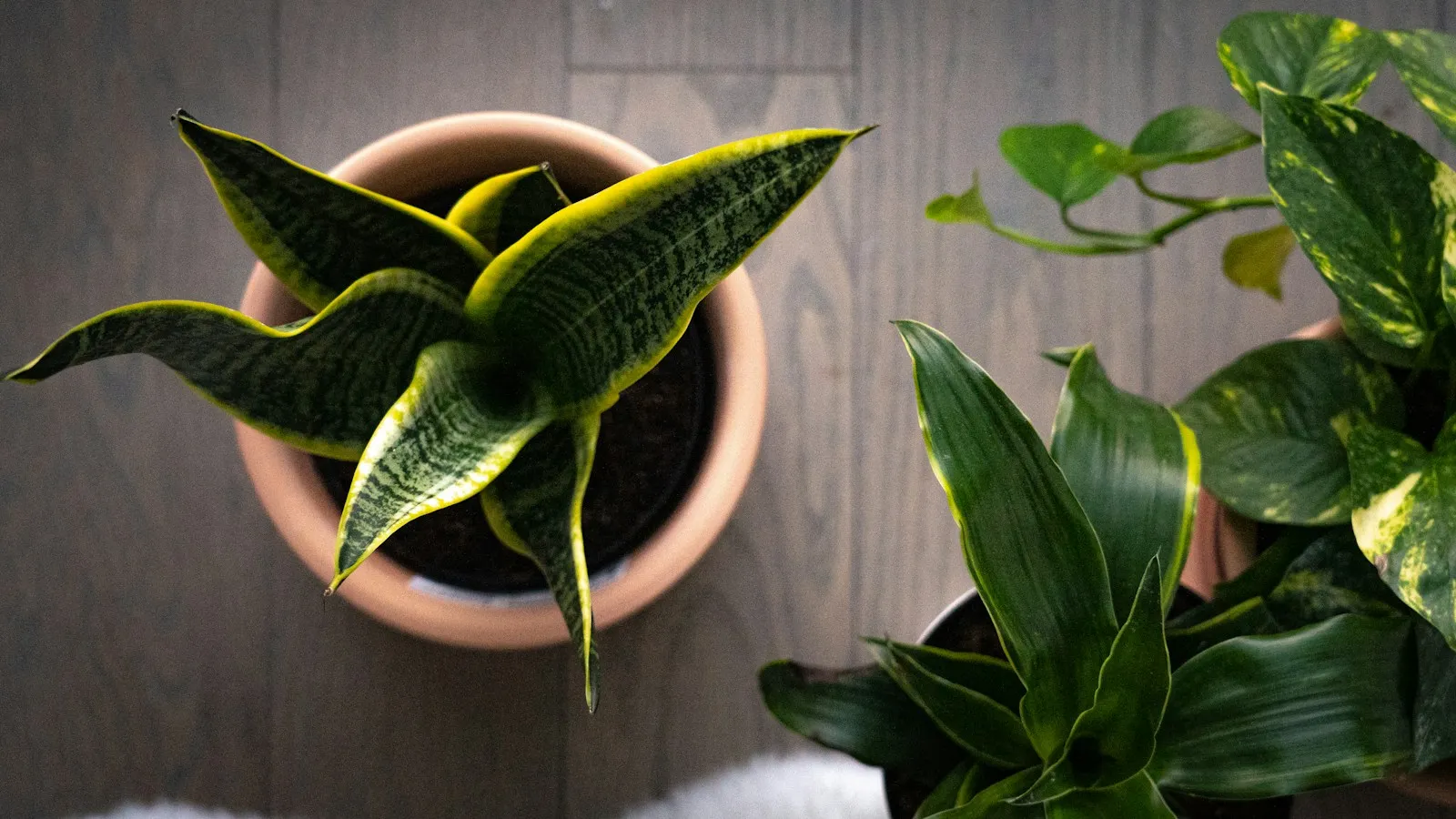
Many common houseplants can make pets sick. VCA and the ASPCA list plants like pothos, aloe vera, sago palm, and lilies as dangerous. Lilies are especially dangerous for cats, since even pollen or vase water can cause kidney failure.
Before your pet arrives, check each plant on the ASPCA's list of toxic and non-toxic plants, and move or remove anything risky.
Step 5: Set up a safe space
Your pet needs a quiet place to rest and feel safe, especially in the first few days.
- Dogs: a crate or small gated area with a bed, water, and a few chew toys
- Cats: a quiet room with a litter box, bed, food, water, a scratching post, and hiding spots
Keep the litter box away from food and water bowls.
New pet supply checklist
For dogs:
- Food and water bowls
- Food recommended by the shelter, breeder, or vet
- Collar, ID tag, and leash
- Crate and bed
- Chew toys
- Poop bags
- Brush and nail clippers
- Baby gates
For cats:
- Food and water bowls
- Cat food
- Litter box, litter, and scoop
- Scratching post
- Carrier
- Bed and toys
- Collar with ID tag
Step 6: Plan the first vet visit
- Book a vet visit in the first week.
- Ask about vaccines, flea and tick prevention, and spay or neuter.
- Get a microchip if your pet does not have one, and register it with your contact details.
- Save emergency numbers, including your vet, the nearest 24-hour animal hospital, and the ASPCA Animal Poison Control Center at (888) 426-4435.
Step 7: Get your home ready for pet hair and messes
- Pick easy-clean fabrics or use washable covers on furniture.
- Keep enzyme cleaner handy for accidents, since it removes odors so pets do not return to the same spot.
- Vacuum often. Pet hair and dander add to household dust. Our guide on why a house gets so dusty has easy tips.
- Keep food bowls clean so fruit flies and gnats do not show up. See our guide on getting rid of gnats.
Fun extra: how old is your pet in human years?
Curious how your dog's age compares to yours? Try our dog years calculator.
The first day and night at home
Getting the house ready is only half the job. The first 24 hours shape how safe your new pet feels.
- Stay home if you can. Bring your pet home at the start of a weekend or a few days off, so you are there while they settle in.
- Keep the same food at first. Feed what the shelter or breeder used. The AKC notes that a sudden food change can upset a new puppy's stomach. If you want to switch, do it slowly over a week or so.
- Start with one room. Do not give your pet the whole house on day one. Let them explore their safe space first, then open up other rooms one at a time over the next days.
- Bring a familiar smell. Ask the breeder or shelter for a blanket or towel that smells like their mom, littermates, or old bed.
- Keep visitors away for a few days. New people, noise, and handling can be too much at once.
What to expect the first night
It is normal for a puppy to cry the first few nights. They are used to sleeping with their mom and littermates. The AKC suggests these steps:
- Play with your puppy and take them outside to go potty right before bed.
- Put the crate in or near your bedroom so they can hear and smell you.
- Expect at least one late-night potty trip for young puppies.
- Stay calm and quiet. Do not make a big fuss, but do not ignore a puppy that may need to go out.
Cats often hide for the first day or two. That is normal. Leave food, water, and the litter box in their room, sit quietly nearby, and let them come to you.
Introducing a new pet to kids and other pets
Kids
- Teach kids to let the pet come to them, and to pet gently on the back, not the face or tail.
- Always watch young children with a new pet.
- Give the pet a place to escape to, like a crate or a high cat shelf, where kids do not follow.
Other pets
The ASPCA says cats are territorial and need slow introductions to other animals. Rushing it can cause fear and fights. A slow plan looks like this:
- Keep them apart at first. Put the new pet in its own room with food, water, a bed, and a litter box if it is a cat.
- Swap smells. Trade blankets or beds between pets so they get used to each other's scent.
- Feed on each side of a closed door. Move the bowls a little closer to the door each day, as long as both pets eat calmly.
- Let them see each other. Use a baby gate or a cracked door for short visits.
- Supervise short meetings. Keep a dog on a leash when meeting a new cat, and make sure the cat has a high place to go. Start with short visits and add time slowly.
This can take a few days or a few weeks. Go at the speed of the more nervous pet.
The bottom line
Prepare your home for a new pet about a week ahead. Walk through at pet level, put away cords, cleaners, medicines, small objects, and toxic foods and plants, and use latches and gates where needed. Set up a quiet safe space, buy the basics, and book a vet visit in the first week. Keep the ASPCA Poison Control number, (888) 426-4435, and your vet's number where you can find them fast.
Sources
This guide was checked against these official and manufacturer sources.
Frequently asked questions
How do I prepare my house for a new puppy?
Start about a week before. Get down on your hands and knees and look for dangers at pet level, like cords, small objects, cleaners, and toxic plants. Set up a safe space with a crate or bed, food and water bowls, and toys, and use baby gates to block off rooms.
What household items are dangerous to pets?
Common dangers include chocolate, grapes and raisins, onions, garlic, xylitol sugar-free gum, human medicines, cleaning products, antifreeze, rodent poison, electrical cords, and some houseplants like lilies, sago palm, and pothos.
Are lilies dangerous to cats?
Yes. Many lilies are extremely dangerous to cats. Even small amounts of the leaves, flowers, pollen, or vase water can cause kidney failure. Keep them out of any home with cats.
What should I do if my pet eats something toxic?
Call your vet or an emergency animal hospital right away. You can also call the ASPCA Animal Poison Control Center at (888) 426-4435, which may charge a fee. Do not try to make your pet vomit unless a vet tells you to.

Written by
Agha Ali Abbas
Agha Ali Abbas is the founder and editor of TimeToNote. He has worked in SEO and content writing for 18 years, and he checks every guide against manufacturer documentation and official sources before it goes live.
Related guides

Home Problems
Why Is My House So Dusty? 12 Common Causes and How to Fix Them
Dust coming back days after you clean? Learn the 12 most common reasons your house is so dusty and the simple changes that really cut dust down.
8 min read
Everyday Solutions
How to Get Rid of Gnats in Your House Fast (and Keep Them Away)
Gnats in your house? Find out which kind you have, trap the adults, and kill the eggs in plant soil and drains with simple, safe methods that really work.
10 min read

Home Problems
What to Do in a Power Outage: Before, During and After
Power out? Learn what to do right away, how long food stays safe in the fridge and freezer, how to use a generator safely, and how to prepare for the next outage.
7 min read