What to Do in a Power Outage: Before, During and After
Power out? Learn what to do right away, how long food stays safe in the fridge and freezer, how to use a generator safely, and how to prepare for the next outage.
On this page
When the power goes out, stay safe first: use flashlights instead of candles, keep your fridge and freezer closed, unplug electronics, and report the outage to your electric company. Never run a generator or grill indoors. The FDA says food in a closed fridge stays safe for about 4 hours, and a full freezer for about 48 hours.
Most outages end within a few hours. But winter storms, hurricanes, and heat waves can cause longer ones, so it helps to know what to do and to be ready ahead of time.
What to do right away
- Check if it is just your home. Look outside to see if neighbors have power. If only your home is dark, check your circuit breaker panel for a tripped breaker.
- Report the outage to your electric company by phone, app, or website.
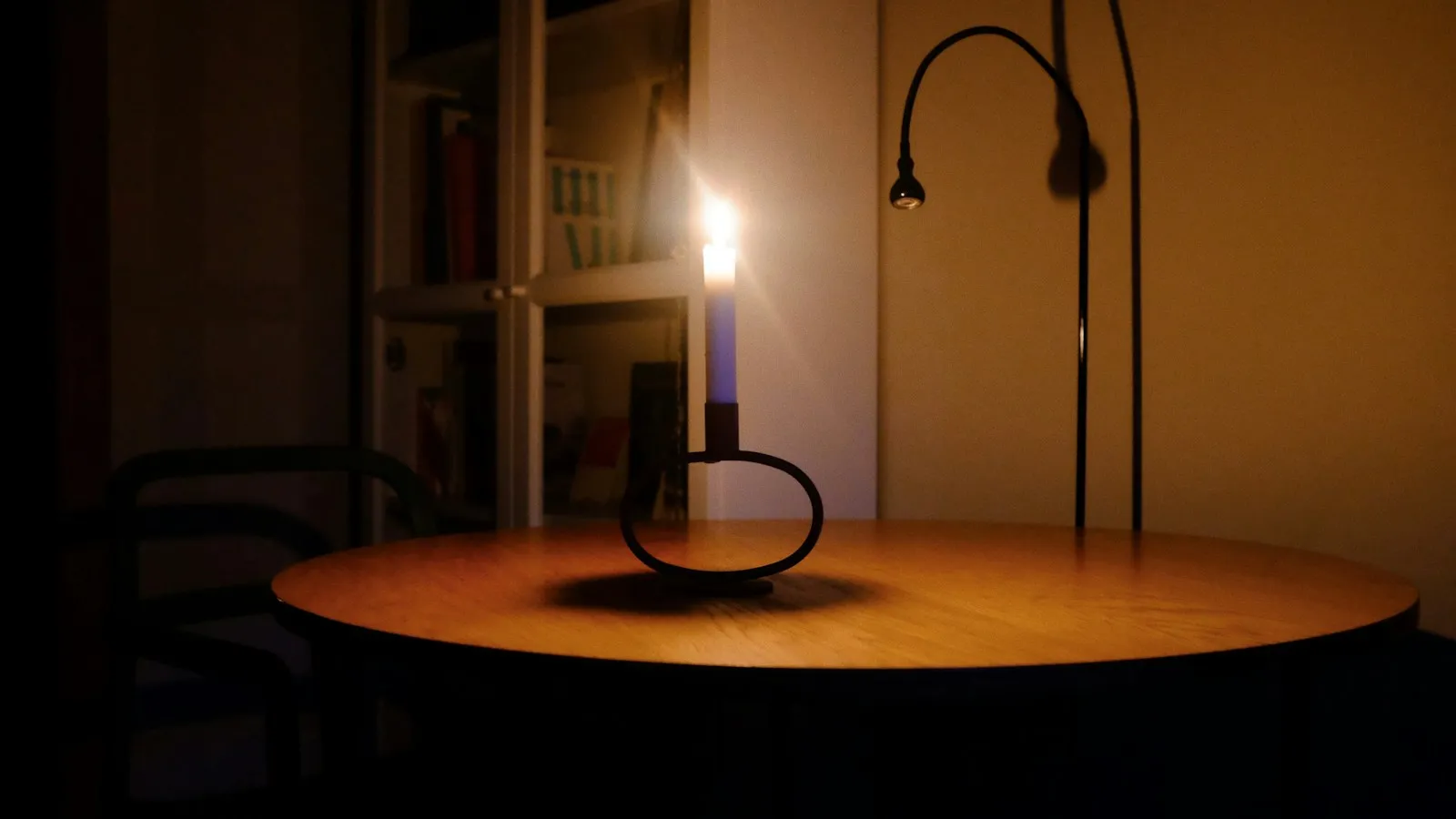
- Use flashlights, not candles, to lower the risk of fire.
- Unplug electronics like TVs and computers to protect them from a power surge when power returns.
- Leave one light switched on so you know when the power is back.
- Keep the fridge and freezer closed.
- Stay away from downed power lines. Always assume they are live, and call 911 or your utility.
Keep food safe
| Appliance | Food stays safe for about | If doors stay closed |
|---|---|---|
| Refrigerator | 4 hours | Yes |
| Full freezer | 48 hours | Yes |
| Half-full freezer | 24 hours | Yes |
After the power comes back:
- Check temperatures. The fridge should be at 40°F or colder, and the freezer at 0°F or colder. An appliance thermometer helps.
- Throw out perishable food like meat, milk, eggs, and leftovers that were above 40°F for 2 hours or more.
- Frozen food with ice crystals or at 40°F or below can usually be refrozen.
- When in doubt, throw it out. Never taste food to check if it is safe.
If your fridge acts strangely after the outage, see our guide on a fridge that is not cooling but the freezer is.
Stay warm or cool safely
In cold weather:
- Close off unused rooms and gather in one room.
- Wear layers and use blankets.
- Let faucets drip slightly to help keep pipes from freezing.
- Never use a gas stove, oven, or grill to heat your home.
In hot weather:
- Stay on the lowest floor and keep blinds closed.
- Drink plenty of water.
- Go to a cooling center or a friend's home with power if it gets too hot, especially for older adults, babies, and people with health problems.
Use a generator safely
Ready.gov and the CDC warn that generators make carbon monoxide (CO), a gas you cannot see or smell that can kill quickly.
- Only run generators outdoors, at least 20 feet from windows, doors, and vents.
- Never use one in a home, garage, basement, or shed, even with the door open.
- Plug appliances straight into the generator with heavy-duty outdoor cords.
- Never plug a generator into a wall outlet. This "backfeeding" can hurt utility workers and neighbors. Use a transfer switch installed by an electrician.
- Have working CO alarms with fresh batteries. If one chirps, see our guide on chirping smoke and carbon monoxide alarms.
When the power comes back
- Plug appliances back in slowly, one at a time, to avoid a surge.
- Check your food using the guide above.
- Reset clocks and devices.
- Check your heating. If the furnace does not restart, our guide on a furnace blowing cold air can help.
- Restock your emergency kit.
Build a power outage kit
| Item | Why |
|---|---|
| Flashlights and extra batteries | Safe light |
| Battery or crank radio | News and weather updates |
| Phone power bank | Keep your phone charged |
| Bottled water (1 gallon per person per day) | Drinking and basic needs |
| Non-perishable food and a manual can opener | Meals without cooking |
| First aid kit and medicines | Health needs |
| Blankets and warm clothes | Cold weather |
| Cooler and ice packs | Keep medicine and food cold |
| Appliance thermometers | Check food safety |
Special tips
- Medical devices: If someone uses powered medical equipment, talk to your doctor and utility about a backup plan. Some utilities keep a priority list.
- Garage doors: Learn how to open yours by hand with the release cord.
- Sump pumps: A battery backup can keep a basement from flooding during storms. Flooding can also lead to hidden water damage.
- Check on neighbors, especially older adults and people who live alone.
Food safety guide by food type
After a long outage, check each food before you eat it. This table is based on common food safety advice. If you are not sure, throw it out.
| Food | Keep if held at 40°F or below | Throw out if above 40°F for more than 2 hours |
|---|---|---|
| Raw meat, poultry, seafood | Keep | Throw out |
| Milk, cream, yogurt, soft cheese | Keep | Throw out |
| Hard cheese (cheddar, Parmesan) | Keep | Usually safe |
| Eggs and egg dishes | Keep | Throw out |
| Cooked leftovers | Keep | Throw out |
| Fresh fruits and raw vegetables | Keep | Usually safe if not cut |
| Butter and margarine | Keep | Usually safe |
| Ketchup, mustard, jam, peanut butter | Keep | Usually safe |
| Opened mayonnaise and dressings | Keep | Throw out if above 50°F for 8 hours or more |
| Baby formula (opened) | Keep | Throw out |
How to keep the fridge and freezer colder longer
- Keep doors closed. Each opening lets cold air out.
- Group foods together in the freezer. Packed items stay cold longer.
- Add ice. Bags of ice or frozen water bottles help the fridge and freezer stay cold.
- Use a cooler for items you need often, like milk and medicine, so you do not open the fridge.
- Dry ice can keep a freezer cold longer. Handle it with gloves and never in a closed car or small room.
Water safety during outages
Some homes lose water when the power goes out, especially homes with well pumps. Others may get a boil-water notice from the local utility.
- Store at least 1 gallon of water per person per day for several days.
- If there is a boil-water notice, follow it until your utility says the water is safe.
- If you have an electric water heater, the hot water in the tank can be used for washing for a while.
Medicine and medical needs
- Some medicines, like insulin, must stay cold. Keep a cooler and ice packs ready, and ask your pharmacist how long your medicine can stay at room temperature.
- Keep a printed list of medicines and doses in case your phone dies.
- If you use oxygen or other powered medical devices, have a battery backup and a plan to go somewhere with power.
Keep your phone working
- Turn on Low Power Mode or Battery Saver.
- Close apps you do not need and lower screen brightness.
- Use text messages instead of calls, since texts use less battery and often go through when calls do not.
- Charge phones in your car, with the car running outside, not in a closed garage.
After a long outage: home check
- Look for water leaks from frozen pipes or a sump pump that stopped.
- Check the freezer and fridge temperatures.
- Reset GFCI outlets in kitchens and bathrooms if they tripped.
- Check that your furnace, water heater, and garage door work normally.
- If you smell gas or see damaged wires, leave the area and call for help.
Portable power station or generator?
Both can help in an outage, but they work in different ways:
| Portable power station | Gas generator | |
|---|---|---|
| Fuel | Rechargeable battery | Gasoline, propane, or both |
| Safe indoors? | Yes. No fumes | Never. Use only outside, far from windows |
| Noise | Silent | Loud |
| Good for | Phones, lights, Wi-Fi, CPAP, a small fridge for a short time | Fridge, freezer, well pump, space heater, longer outages |
| Runs how long? | Until the battery is empty, then needs recharging | As long as you have fuel |
Apartment dwellers and people with short outages often do well with a power station. For long outages or big appliances, a generator does more, but only when used outdoors with a carbon monoxide alarm inside.
How to check if the outage is just you
- Check your breaker panel. If only part of the house is dark, a breaker may have tripped. See our guide on why a circuit breaker keeps tripping.
- Look outside. Are neighbors' lights and streetlights out too?
- Check your utility's outage map on its website or app. Have your account number ready when you report.
- Call 911 first for downed power lines, then your utility. Stay at least 35 feet away from any fallen line.
The bottom line
In a power outage, stay safe with flashlights, keep the fridge and freezer closed, unplug electronics, and report it to your utility. Food lasts about 4 hours in a closed fridge and 24 to 48 hours in a freezer. Never run a generator, grill, or gas stove indoors. Build a simple kit now so you are ready for the next outage.
Sources
This guide was checked against these official and manufacturer sources.
Frequently asked questions
How long does food last in the fridge without power?
The FDA says food in a refrigerator stays safe for about 4 hours if you keep the door closed. A full freezer keeps food safe for about 48 hours, and a half-full freezer for about 24 hours.
Is it safe to run a generator in the garage?
No. Never run a generator inside a home, garage, basement, or any partly enclosed space, even with the door open. Generators make carbon monoxide, which can kill. Place it outside, at least 20 feet from windows, doors, and vents.
Should I unplug appliances during a power outage?
Yes. Unplug electronics and appliances to protect them from a power surge when the electricity comes back. Leave one light on so you know when power returns.
How do I report a power outage?
Call your electric company or use its app or website. Many utilities also have outage maps that show when power should be back.

Written by
Agha Ali Abbas
Agha Ali Abbas is the founder and editor of TimeToNote. He has worked in SEO and content writing for 18 years, and he checks every guide against manufacturer documentation and official sources before it goes live.
Related guides
Home Problems
Why Is My Smoke Detector Chirping? 8 Causes and How to Stop It
Smoke detector chirping every 30 or 60 seconds, even with a new battery? Learn what each chirp means, how to reset it, and when to replace the whole alarm.
7 min read
Home Problems
Why Is My Furnace Blowing Cold Air? 9 Causes and Easy Fixes
Furnace running but blowing cold air? Check these 9 common causes, from the thermostat fan setting to a dirty filter, and learn which fixes you can do yourself.
7 min read
Home Problems
Fridge Not Cooling but Freezer Is Cold? 8 Causes and How to Fix It
Freezer is cold but the fridge is warm? Learn the 8 most common causes, from blocked vents to frost on the coils, and simple fixes you can try today.
8 min read