Are Hurricane Shutters Worth It? Costs, Types and Impact Windows Compared
Are hurricane shutters worth the money? Compare storm panels, accordion, and roll-down shutters with impact windows, plus 2026 costs and insurance tips.
On this page
Yes, hurricane shutters are usually worth it if you live where hurricanes or strong tropical storms hit. When a window breaks in a storm, wind and rain rush in and can cause roof and interior damage that costs far more than the shutters. Most homeowners pay about $1,400 to $5,800 for shutters, depending on the type and how many windows they cover.
The right choice depends on your budget, how often storms hit your area, and whether you can close shutters yourself before a storm.
Hurricane shutter types and costs
| Type | Typical cost (2026) | Setup before a storm | Best for |
|---|---|---|---|
| Storm panels (aluminum or polycarbonate) | About $10 to $20 per sq ft | Put up by hand, can take hours | Tight budgets |
| Accordion shutters | About $15 to $30 per sq ft | Slide closed and lock | Good value, easy use |
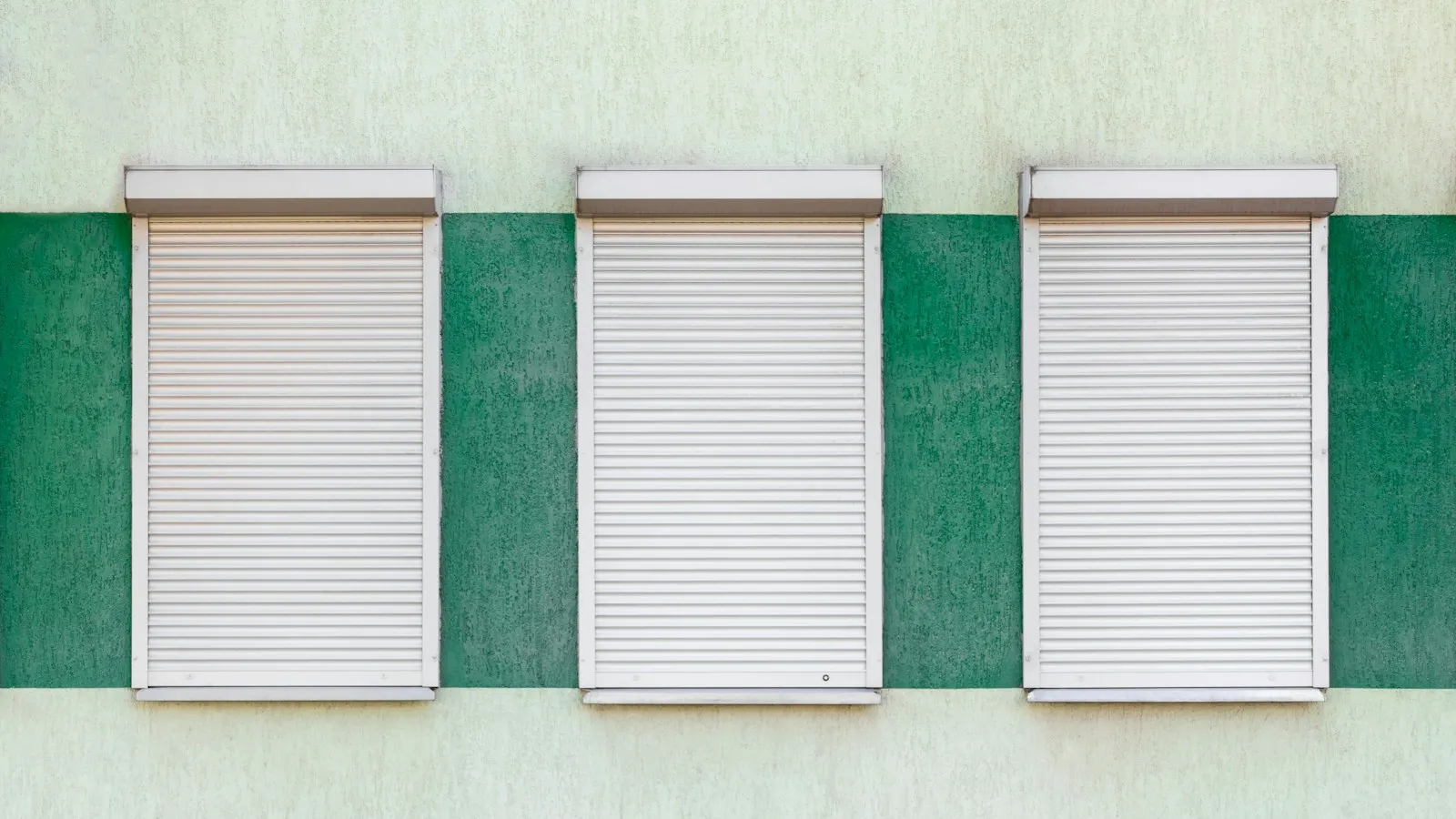
| Roll-down shutters | About $25 to $60 per sq ft | Push a button or crank | Easiest, very strong |
| Colonial or Bahama shutters | Varies, often mid to high | Close and latch | Looks, some shade |
| Impact windows (instead of shutters) | About $800 to $1,400 per window in Florida | None, always protected | Long-term, all-in-one |
Costs vary by city, window size, and installer. Get at least three quotes.
Why shutters matter
When a strong wind breaks a window, air pressure inside the house can build up quickly. That pressure can push up on the roof from inside and lead to much bigger damage. Keeping windows and doors covered helps keep the "envelope" of the house sealed.
Shutters also help protect against:
- Flying debris like branches and patio furniture
- Rain driven sideways into the house
- Break-ins when the house is empty
Shutters vs impact windows
| Hurricane shutters | Impact windows | |
|---|---|---|
| Upfront cost | Lower | Much higher |
| Protection | Strong when closed | Always on |
| Setup | Must close before a storm | None |
| Noise and energy | Little help | Blocks noise, often more efficient |
| Looks | Visible hardware | Look like normal windows |
| Best if | Budget matters, you are home to close them | You travel, or want a long-term upgrade |
Some homeowners mix them: impact windows on hard-to-reach upper floors, and shutters on the rest.
Are they worth it for you?
Shutters are usually worth it if:
- You live in a coastal or hurricane-prone state
- Your windows are not impact-rated
- Your insurer offers a discount for storm protection
- You plan to stay in the home for several years
They may not be worth it if:
- You live far inland where hurricanes rarely reach
- Your home already has impact windows
- Local rules or your HOA limit what you can install
Insurance and permits
- Insurance discounts: In some states, especially Florida, a wind mitigation inspection documents your storm protection and can lower your premium. Ask your agent what counts.
- Permits: Many coastal towns require a permit for permanent shutters and impact windows, and products may need to meet local building codes.
- Product ratings: Look for shutters tested for your area's wind and impact standards, such as Florida Product Approval or Miami-Dade approval in South Florida.
Tips before hurricane season
- Test your shutters at the start of the season, and oil tracks and locks.
- Label storm panels by window so they go up quickly.
- Store hardware like bolts and wing nuts in a labeled bag.
- Trim trees near the house to reduce flying debris. Our calculator for tree trimming prices gives an estimate.
- Check your roof, since wind can lift damaged shingles. See signs your roof needs repair.
- Prepare for outages. Our guide on what to do in a power outage covers food, generators, and emergency kits.
Cost example for a typical home
Here is a simple example to show how costs add up. Say a home has 12 windows, each about 15 square feet (about 3 by 5 feet), for a total of 180 square feet.
| Option | Price range used | Estimated total for 180 sq ft |
|---|---|---|
| Storm panels | $10 to $20 per sq ft | $1,800 to $3,600 |
| Accordion shutters | $15 to $30 per sq ft | $2,700 to $5,400 |
| Roll-down shutters | $25 to $60 per sq ft | $4,500 to $10,800 |
| Impact windows | $800 to $1,400 per window | $9,600 to $16,800 |
Your price will depend on window sizes, your city, labor rates, permits, and whether you also protect doors and sliding glass doors. This example is only a guide, so always get written quotes.
Pros and cons of each shutter type
Storm panels
- Pros: Lowest cost, very strong when installed right, easy to store flat.
- Cons: Heavy and slow to put up, sharp edges, need a ladder for upper windows, and you must be home to install them.
Accordion shutters
- Pros: Always attached to the house, close in minutes, one person can do it.
- Cons: Visible tracks on the outside, locks and wheels need cleaning, and some people do not like the look.
Roll-down shutters
- Pros: Easiest to use, some close with a button or remote, great for upper floors, also help with privacy, heat, and noise.
- Cons: Highest cost of the shutter options, motors need power or a manual backup, and the housing box sits above the window.
Colonial and Bahama shutters
- Pros: Add curb appeal, Bahama styles give shade year-round.
- Cons: Often cost more than accordion shutters, and some styles offer less coverage.
How long do hurricane shutters last?
With good care, many aluminum and steel shutters last 15 to 30 years. Roll-down motors often need service or replacement after about 10 to 15 years. Salt air near the ocean wears out metal parts faster, so rinse shutters with fresh water after storms and a few times a year.
Hurricane season checklist
In the Atlantic, hurricane season runs from June 1 to November 30 each year. Before and during the season:
- Test every shutter and replace missing bolts, clips, or wing nuts.
- Clean tracks and spray moving parts with a silicone lubricant.
- Charge or test the battery backup on motorized shutters.
- Take photos of your windows and shutters for insurance records.
- Keep your wind mitigation paperwork in a safe place.
- Decide who will close the shutters if you are away.
Mistakes to avoid
- Waiting until a storm is coming. Installers are booked up, and stores sell out of panels fast.
- Using plywood that does not fit. Thin or loose plywood may not hold. If you use plywood, cut and label it ahead of time and use proper anchors.
- Taping windows. Tape does not stop glass from breaking and can make larger, more dangerous shards.
- Leaving doors and garage doors unprotected. A failed garage door can let wind into the house just like a broken window.
- Skipping permits. Unpermitted shutters may not count for insurance discounts.
Florida homeowners: the My Safe Florida Home grant
If you live in Florida, the state may help pay for shutters or impact windows through the My Safe Florida Home program. It works in two steps:
- A free wind mitigation inspection. A state inspector checks your home and lists upgrades that would reduce storm damage.
- A matching grant. For approved work, the state pays $2 for every $1 you spend, up to $10,000. Opening protection, like hurricane shutters, impact windows, and impact doors, can qualify.
Key rules include:
- The home must be a single-family home built before January 1, 2008.
- The insured value must be $700,000 or less.
- Money is limited and given out first come, first served, so apply early.
Check the official program site for current dates and rules before you hire a contractor. The free inspection report can also help you get a lower insurance premium.
How long does it take to put shutters up?
This matters when a storm is a day or two away.
| Shutter type | Time to close before a storm |
|---|---|
| Storm panels | Often several hours for a whole house, and you may need a helper |
| Accordion | Minutes per window |
| Roll-down | Seconds with a switch or crank |
| Impact windows | Nothing to do |
If you choose panels, label each one for its window and practice once before the season starts.
The bottom line
Hurricane shutters are worth it for most homes in hurricane-prone areas. Storm panels are the cheapest, accordion shutters give good value, and roll-down shutters are the easiest to use. Impact windows cost more but protect all the time without any setup. Check local permit rules, ask your insurer about discounts, and get several quotes before you decide.
Sources
This guide was checked against these official and manufacturer sources.
Frequently asked questions
Are hurricane shutters worth it?
In hurricane-prone areas, usually yes. Broken windows let wind and rain inside, which can cause major damage. Shutters cost far less than repairing that damage, and many insurers in coastal states offer discounts for approved storm protection.
How much do hurricane shutters cost?
Most homeowners pay about $1,400 to $5,800 in total. Storm panels are cheapest at about $10 to $20 per square foot, accordion shutters cost about $15 to $30, and roll-down shutters about $25 to $60 per square foot.
Are impact windows better than shutters?
Impact windows protect you all the time without any setup, and they also block noise and help with energy use. But they cost much more, often $800 to $1,400 per window installed in Florida. Shutters protect well for less money but must be closed before a storm.
Do hurricane shutters lower insurance?
Often, yes. In states like Florida, a wind mitigation inspection can document your shutters or impact windows, which may qualify you for a lower premium. Ask your insurance agent.

Written by
Agha Ali Abbas
Agha Ali Abbas is the founder and editor of TimeToNote. He has worked in SEO and content writing for 18 years, and he checks every guide against manufacturer documentation and official sources before it goes live.
Related guides

Home Problems
What to Do in a Power Outage: Before, During and After
Power out? Learn what to do right away, how long food stays safe in the fridge and freezer, how to use a generator safely, and how to prepare for the next outage.
7 min read
Home Problems
Signs Your Roof Needs Repair or Replacement (and How to Tell Which)
Missing shingles, leaks, or granules in the gutters? Learn 10 signs your roof needs repair or replacement, how long roofs last, and when a repair is enough.
7 min read
Home Problems
How to Find Air Leaks in Your House (and Seal Them Cheaply)
Drafty rooms and high energy bills? Learn 7 easy ways to find air leaks in your house, the most common leak spots, and cheap ways to seal them yourself.
7 min read